
[Hardware Review] Audient iD MKIII First Look: Evaluating RoomTune DSP & Smart Gain in the Modern Studio
Practitioner evaluation of the Audient iD MKIII interface, exploring RoomTune speaker calibration, Smart Gain metering, and how its clocking compares with German reference hardware like RME.
📌 Overview & Editor’s Take
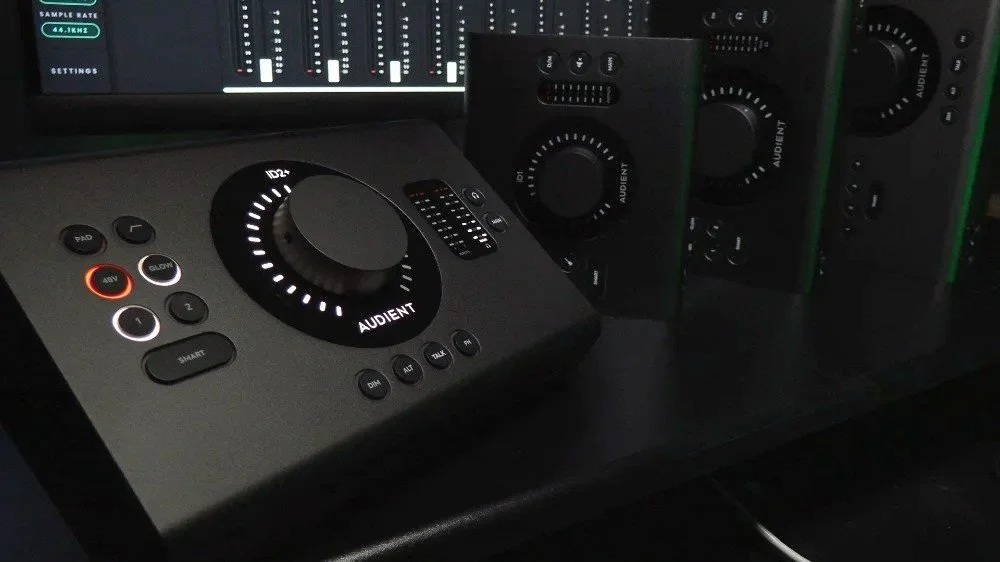
Audient’s iD line built its reputation on bringing genuine console-grade Class-A mic preamps to compact desktops. With the Audient iD MKIII (2026), the focus shifts decisively toward tackling the two biggest bottlenecks in untreated project studios: acoustic room coloration and consistent input gain staging, via onboard RoomTune DSP and upgraded Smart Gain workflows.
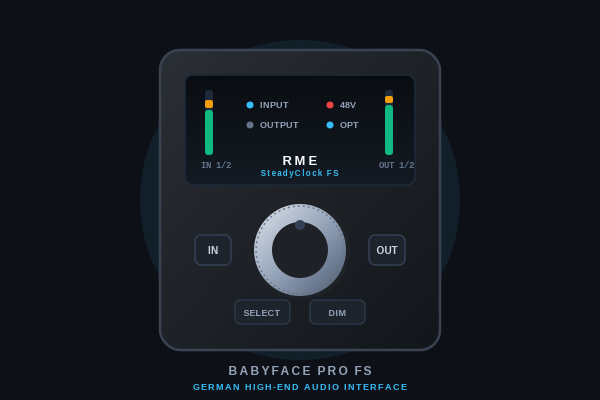
Measured against German engineering benchmarks like the RME Babyface Pro FS—renowned for SteadyClock FS jitter rejection, rock-solid driver stability, and surgical phase transparency—where does this new generation land? Let’s break down its real-world studio utility.
🎛️ Hardware Architecture & Key Additions
- Hardware-Level RoomTune Calibration: Runs acoustic correction curves directly inside the interface’s onboard DSP rather than occupying your DAW master bus. This prevents the classic mistake of bouncing a final master through a speaker-correction curve.
- Workflow-Driven Smart Gain: Scans incoming vocal or acoustic instrument peaks and locks in healthy headroom automatically, ideal for self-recording artists juggling an instrument and DAW transport.
- Benchmarking Against German Reference Conversion: While RME and Neumann remain the gold standard for ultra-low jitter clocking, decade-long driver longevity, and clinical TotalMix FX routing, Audient positions the iD MKIII as a musical, ergonomic middle ground that prioritizes fast tracking workflow alongside room-compensated monitoring.
💡 Practical Studio Workflows & Calibration Tips
- Healthy Gain Staging Target: After running Smart Gain, verify your average RMS sits around -18dBFS to -12dBFS (peaks below -6dBFS) so downstream mix processors respond linearly.
- Conservative RoomTune Limits: Avoid aggressive DSP boosts (+6dB or more) below 120Hz to preserve phase coherence and transient snap. Always cross-reference sub-bass balance on open-back German reference headphones such as the beyerdynamic DT 1990 PRO MK II.
⚠️ Honest Caveats to Consider
- Firmware & OS Driver Track Record: Verify ongoing companion software stability across upcoming macOS and Windows revisions, where long-term German R&D architectures traditionally hold an edge.
- Headphone Impedance Headroom: If driving high-impedance studio cans, check dedicated PSU vs bus-powered output specs carefully.
💰 Pricing & Availability
- Pricing: Varies by I/O model tier, currency exchange rates, and regional dealer promotions.
- Connectivity: USB-C (macOS & Windows)
*Prices and promotional offers change frequently based on campaigns and exchange rates. Please verify the latest details via the source report or official plugin store (store link includes affiliate promotion).
AP COMP1
Combines smooth LA-3A optical compression with aggressive vintage Pye characteristics and a dedicated RED knob 200Hz-500Hz saturation circuit.
*Tracks created using the environments, gear, and techniques featured on this site are available for preview and free download in the Lo-bit LAB Free BGM Library. Continuously updated.*
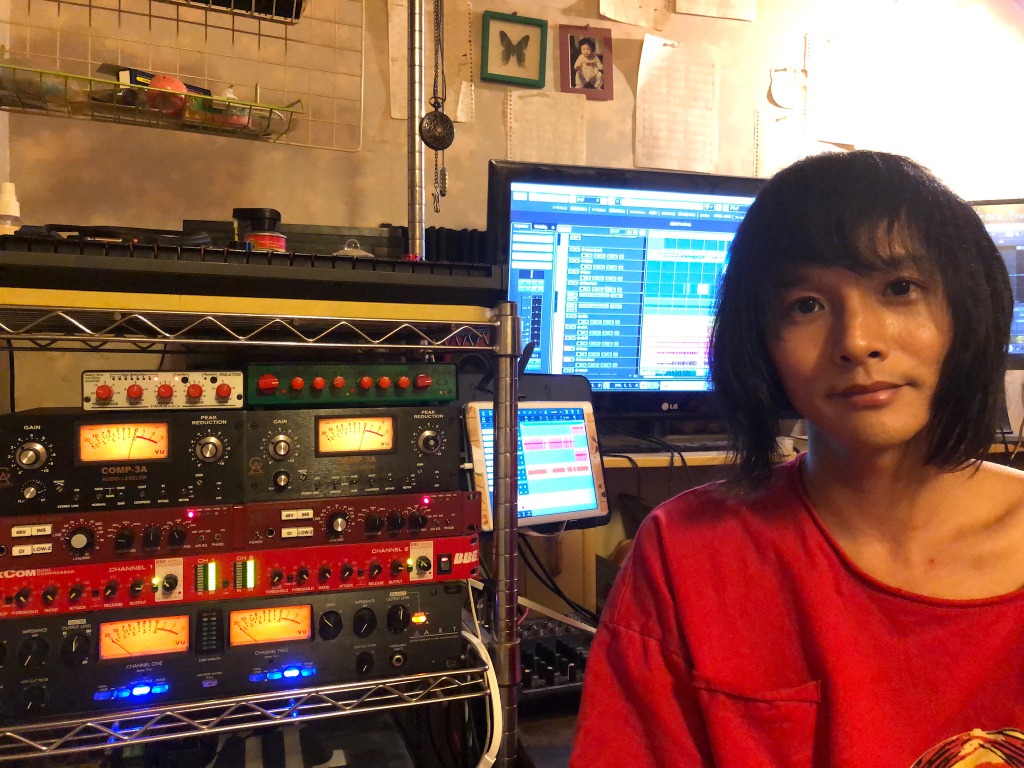
Lin Wolinski / Lo-bit record
Musician, Recording & Mixing Engineer, Music Instructor (Guitar, Bass, DTM, Composition & Arrangement), and C++ Audio DSP Plugin Developer.
Active as Bassist, Synthesist, Backing Vocalist, and Composer/Arranger for the rock band "Once Grace Forever".
Following musical study in Australia, actively engaged in professional music production, bespoke mixing & mastering, boutique audio plugin development under "Lo-bit record", releasing royalty-free music assets, and authoring audio engineering resources.